

How to Choose the Right Location in Real Estate?
Oca 30 2026

Although the real estate sector may appear to be a static asset class by nature, the economic, social, and technological dynamics surrounding it are in constant flux. The motto "Location, location, location" is considered the sector's most enduring principle throughout its history; however, by 2026, this concept will be redefined, encompassing not only physical coordinates but also digital infrastructure, energy efficiency, sustainable mobility, and evolving work models. The fact that location is a key factor in determining a property's value is the fundamental reason for the dramatic price differences between two properties with identical structural characteristics. This report provides a comprehensive guide for investors and industry professionals by analyzing the selection of the right location in real estate, using up-to-date data from 2026 and academic depth.
The Ontology of Value: Location and the Permanence of Real Estate

The uniqueness, durability, and, most importantly, the stability of the location of a property play a central role in determining its economic value. Limited supply and concentrated demand in specific areas make location analysis a financial necessity rather than a luxury. Location is the most powerful variable directly influencing a property's potential for appreciation. Developing areas offer high-margin opportunities for investors because they contain untapped potential.
From a 2026 perspective, location selection is a proactive process requiring an assessment not only of the present but also of future potential. Urban expansion axes, newly opened transportation projects, and the shifting direction of commercial centers can cause a region to appreciate in value rapidly. In this context, it should not be forgotten that location also determines the liquidity of a property; a property in the right location can be quickly converted to cash at market value if needed, while choosing the wrong location leads to capital becoming idle.
Concepts of Macro and Micro Location
One of the most common mistakes investors make is conducting location analysis only with a general approach based on neighborhoods or districts. However, modern real estate analytics divides this process into macro and micro levels. Macro location encompasses the city's overall economic growth trends, population movements, employment centers, and large-scale infrastructure projects. Micro location, on the other hand, includes the quality of the street where the property is located, the advantages of its facade, the neighborhood structure, and most importantly, the property's proximity to specific "points of attraction" (schools, hospitals, metro stations) within walking distance.
Differences at the micro-location level can create a 20% to 40% difference in rental yield or sale price, even between two buildings within the same neighborhood. For example, a commercial property facing a main street or located within 200 meters of a subway exit has a much higher appreciation potential than a similar property located further down the street.
Transportation Integration and Accessibility Dynamics
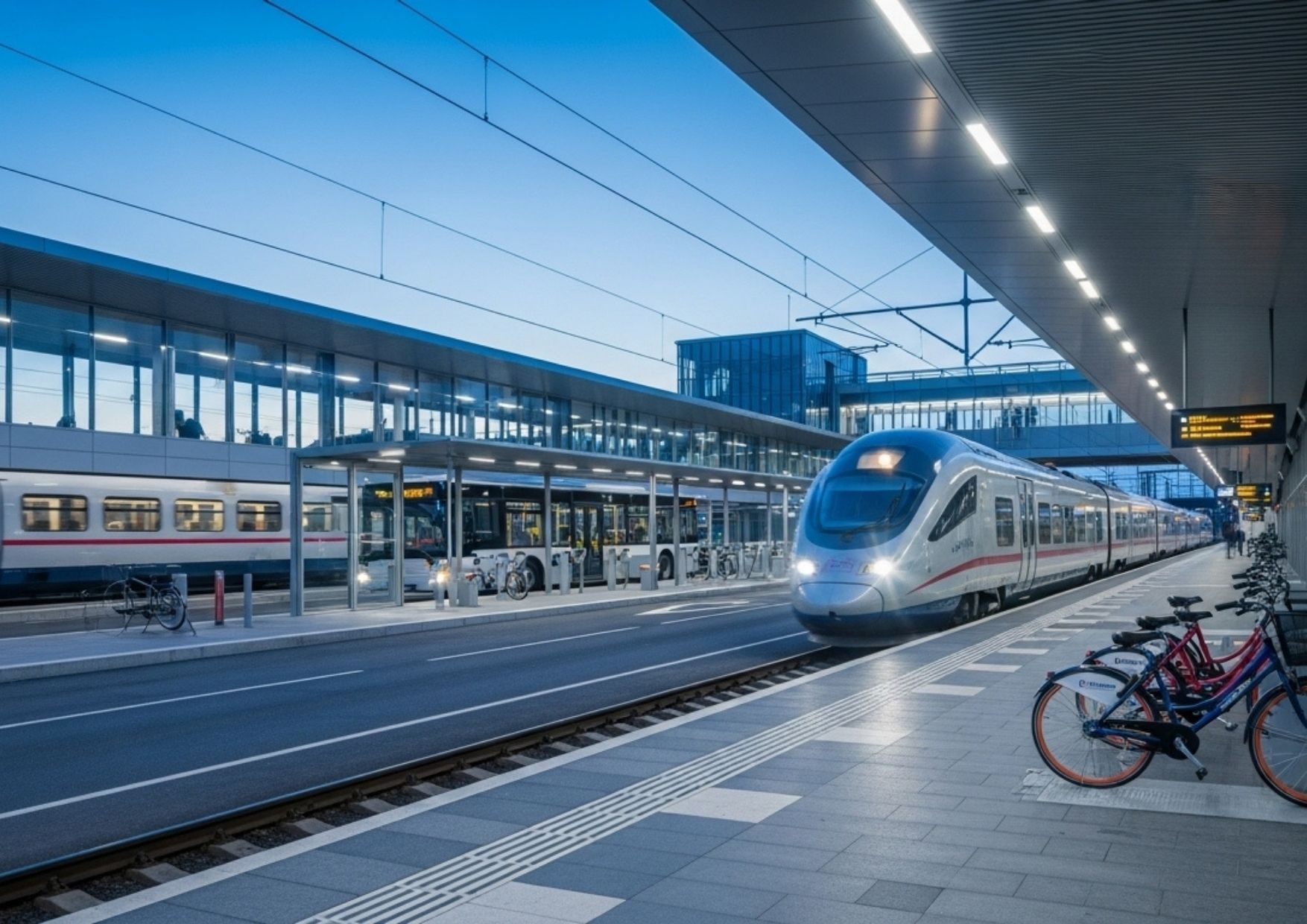
In 2026, the most critical catalyst determining real estate values in metropolises like Istanbul will undoubtedly be transportation projects. The severe traffic congestion in city centers and rising living costs have made easily accessible areas, even those further from the city center, more attractive. Modern transportation solutions improve not only accessibility but also quality of life in luxury living spaces, making these properties prestigious investment options.
The Multiplier Effect of Rail Systems on Value
Istanbul's rail network forms the main axis through which real estate prices are redistributed. Proximity to public transport lines such as the metro, Marmaray, and metrobüs significantly accelerates both rental and sales processes. Metro expansions, particularly on the European and Anatolian sides of the city, have directly contributed to high-income projects and increased the value of housing stock in these areas.
Table 1: Impact of Transportation Projects on Regional Real Estate Prices in Istanbul (2025-2026 Data)
Optimizing lines and vehicles in new metro openings reduces travel costs and increases the attractiveness of the region. Within the framework of IETT's 2026-2030 strategic plan, increasing the number of metro feeder lines will facilitate "last mile" transportation, increasing the value of a wide area within reasonable distances from rail system stops.
2026 Strategic Transportation Vision and "Green Mobility"
By 2026, transportation will be evaluated not only by "speed" but also by "environmental awareness." With increasing interest in transportation methods that reduce carbon footprint, investments in electric buses and regulations promoting the use of green energy are increasing the attractiveness of areas focused on public transportation. Social pressure against the use of fossil fuel vehicles and rising fuel costs are making properties along rail and electric public transportation networks "future-proof" investments.
Accessible transportation infrastructure, particularly for disabled and elderly individuals, stands out as a factor that strengthens the demographic diversity of the region and, consequently, its rental potential. AI-powered security systems and smart bus stop applications transform transportation hubs into social centers, positively contributing to the turnover of nearby commercial units (shops, cafes, pharmacies).
Technical and Legal Oversight: The Invisible Guardians of Investment
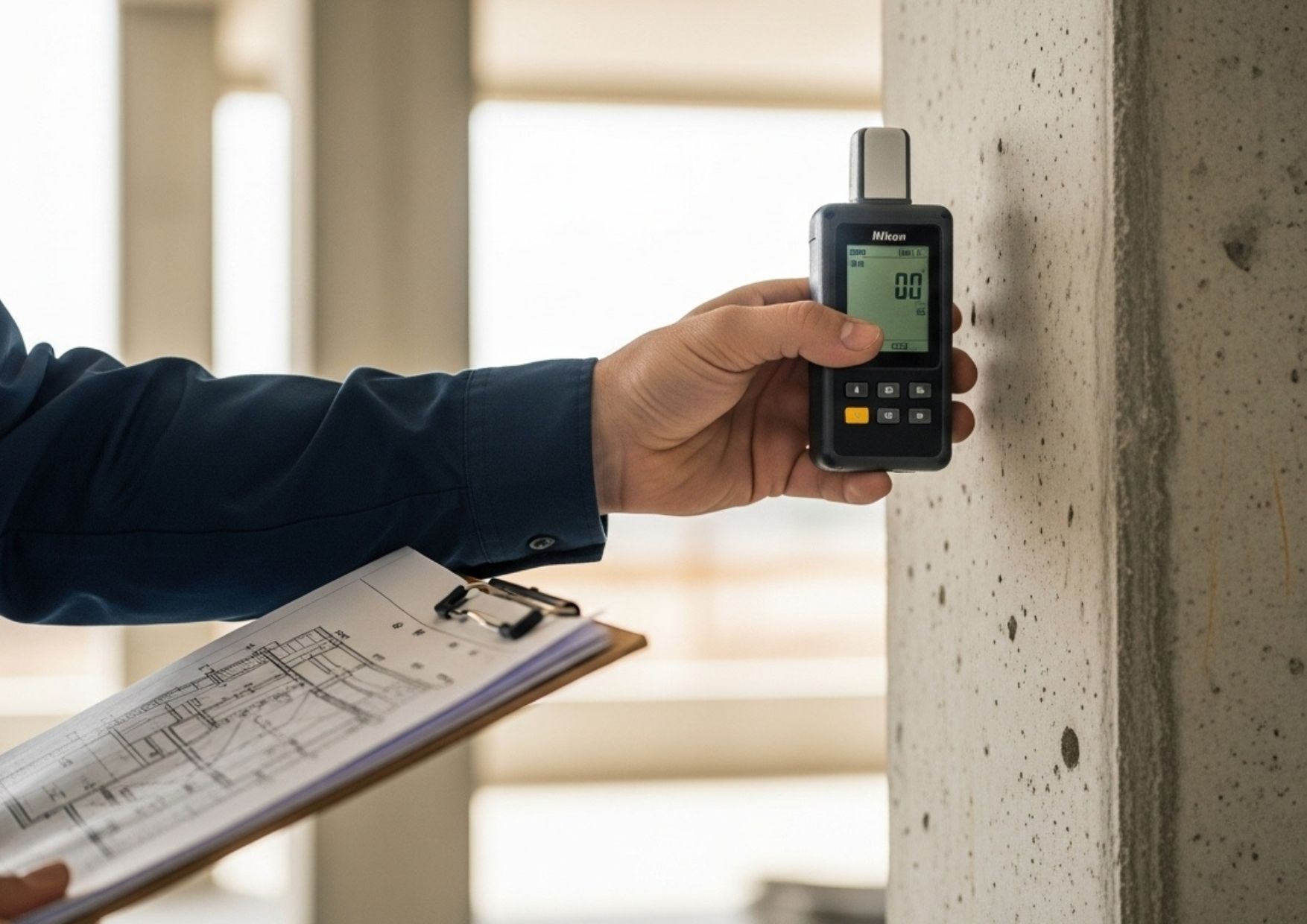
Just as choosing the right location is crucial, verifying the legal and technical status of the property in that location is equally vital. A property in a physically attractive location that lacks building permits or has heavy encumbrances (liens, liens, mortgages) can expose an investor to significant financial losses.
Digital Title Deed and Parcel Inquiry Technologies
By 2026, Turkey will have one of the most advanced systems in the world for the digitalization of real estate data. The Parcel Inquiry application offered by the General Directorate of Land Registry and Cadastre (TKGM) transparently presents the property's coordinate-based location, boundaries, and current title deed type (field, plot, building, etc.).
Table 2: Digital Control and Verification Tools Used in Real Estate Investment
Understanding the difference between "Plot and Parcel Inquiry" and "Zoning Status Inquiry," two concepts frequently confused by investors, is critical. Plot and parcel inquiry tells you where a property is located and its current status, while municipal zoning inquiry tells you what can (or cannot) be built on that property . Zoning plan notes directly determine the economic value of a property by specifying whether a plot will be commercial or residential, the number of floors that can be built, and garden setbacks.
Earthquake Safety and Building Quality Analysis
In a country like Turkey, which has a high risk of earthquakes, location selection must be evaluated in conjunction with soil structure and building safety. Properties that have undergone soil testing, been constructed in accordance with earthquake regulations, and successfully completed building inspection processes offer not only safety of life but also financial security. Experts emphasize that buildings over 50 years old are particularly at risk and that locations containing such buildings should only be evaluated based on their potential for "urban transformation."
The structural quality of a property is not limited solely to the load-bearing system. Factors such as sound, heat, and water insulation affect living comfort and, indirectly, the market value of the property. An apartment in a building with inadequate thermal insulation may struggle to find tenants due to high energy costs, regardless of its central location.
Sustainability and Energy Efficiency: Next-Generation Location Value
By 2026, "green building" and "energy efficiency" concepts will have become an integral part of the real estate market. Global regulations such as the European Green Deal and border carbon regulations have made the carbon performance of buildings a direct financial risk factor
Energy Performance Certificate (EPC) and Green Housing Loans
The Energy Performance Certificate is a document that shows a building's energy consumption and greenhouse gas emissions. By 2026, this document will play a critical role in home loan processes and property valuations.
- Financial Advantage: Many banks offer special "green home loan" products for homes with A and B class energy efficiency certificates. These loans, with lower interest rates and flexible payment plans, make an A-class home much faster to sell on the market.
- Cost Efficiency: Energy-efficient properties offer lower operating costs and fees, preserving users' ability to pay for the property and increasing rental potential.
-
High Marketability: As demand for sustainable living spaces increases, properties with a high EKB (Environmental Product Classification) rating are gaining a "premium" value in the market.
Green Building Certifications (LEED and BREEAM)
The green building market in Türkiye has entered a growth trend that is accelerating, especially until 2026. Simply obtaining certification is no longer considered sufficient; performance-based and data-driven processes are now in demand. Systems like LEED v4.1 aim to minimize the environmental impact of buildings through the integration of measurable performance and life cycle analysis (LCA). For investors, these certifications guarantee that the building meets international quality standards and will be exempt from future environmental taxes/penalties.
Financial Metrics and Investment Analytics
Choosing the right location should be built on a rational mathematical foundation. The success of real estate investment is measured by comparing the return obtained (rent or capital appreciation) with alternative investment instruments and calculating the real return adjusted for inflation.
Rent Multiplier and Amortization Period
The rent multiplier is a fundamental indicator for calculating the payback period of a residential investment. The formula is quite simple: $\text{Rent Multiplier} = \frac{\text{Selling Price}}{\text{Monthly Rental Income}}$. Under market conditions in 2026, a lower multiplier indicates that the investment will pay off faster and offer a higher return relative to market value.
Table 3: Real Estate Investment Evaluation Criteria Based on Rent Multiplier
For example, if an apartment purchased for 4,000,000 TL generates a monthly rental income of 25,000 TL, the rental yield is calculated as 160 months (approximately 13.3 years). Return periods under 16 years are considered highly profitable investments in the current economic climate.
Housing Price Index and Real Return Analysis
According to CBRT data, although housing prices have been continuously increasing nominally, there may be periodic losses in real terms (inflation-adjusted). The housing price index, which showed a real decrease for most of 2024 and 2025, ended its 21-month downward trend and entered the real growth zone as of November 2025.
At the beginning of 2026, with falling interest rates, home sales financed by loans are expected to reach record levels. For investors, real estate remains the safest haven when "right timing" and "right location" come together. However, the 2026 market will be more "selective"; those who buy the wrong product at a high price will face difficulties, while apartments purchased at the right price in the right location will find buyers quickly.
Target Audience Analysis and Lifestyle Adaptation
In real estate, the right location is measured by how well it aligns with the expectations of the tenant or buyer profile the property is targeting. What constitutes a "good" location depends on who will benefit from it.
- Family-Oriented Locations: Proximity to schools, the presence of parks and green spaces, low crime rates, and spacious apartment types (3+1 and above) increase the value of these areas.
- White-collar and professional-focused locations: Proximity to business centers, metro access, social amenities (cafes, gyms), and modern residential buildings are key factors.
-
Student-Focused Locations: Proximity to university campuses, affordable transportation options, and a high concentration of small-sized apartments (1+1, 2+1) guarantee rental income.
Remote Work and Suburbanization Trends
By 2026, the hybrid work model will have become the standard in the business world. This has led employees who don't have to go to the office every day to move away from the noise and crowds of the city center to larger, nature-integrated residential areas with social amenities. "Remote work-friendly" locations are areas with high-speed internet infrastructure, residences with planned workspaces, and rail access to the city.
Regional Analysis: Rising Stars and Risky Regions of 2026
Türkiye's real estate landscape is being shaped by aggressive growth in certain regions and saturation points in others by 2026.
Opportunity Axes of Istanbul
Istanbul presents two distinct strategies for 2026, focusing both on "value preservation" and "high return".
- Premium and Timeless Areas: Beşiktaş, Nişantaşı, Kadıköy, and Moda are low-risk areas that always retain their value due to their quality of life, prestige, and limited supply.
- Transformation and Development Axes: Kağıthane and Zeytinburnu are becoming modern centers thanks to the power of urban transformation. Başakşehir, on the other hand, is one of the most attractive regions for investors with its new metro lines, connection to the Canal Istanbul, and modern city planning.
-
Transportation-Driven Regions: Pendik and Tuzla possess high medium-term potential due to metro integration and urban transformation investments. Gaziosmanpaşa and Sefaköy, on the other hand, are considered opportunity areas where the impact of the metro has not yet been fully priced in.
Other Major Cities and Tourist Regions
- Ankara: Expected to record the highest price increase at 34.9% annually by the end of 2025, it is attracting investor interest.
- Izmir: The Bornova and Buca axis is ideal for rental income-focused investments due to its university population and demand from young professionals. Karşıyaka and Alsancak, on the other hand, continue to appreciate in value due to their high quality of life.
-
Antalya and Bodrum: Tourist appeal and interest from foreign investors make properties in these regions attractive for those seeking returns in foreign currency. However, high initial investment costs can prolong the return on investment period.
20 Critical Questions to Ask Before Buying
In a real estate purchase process, a rational control mechanism should be employed instead of emotional decisions. Experts recommend answering the following questions during the site visit and negotiation process:
- Net Square Meters: What is the difference between gross and net square meters? (Make sure your belongings will fit).
- Legal Permits: Does the building have a permit and occupancy certificate (building use permit)?
- Earthquake Safety: Has a soil survey been conducted, and according to which regulations was the building constructed?
- Encumbrance Status: Are there any liens, mortgages, or family home annotations on the title deed?
- Amortization: What are the comparable rental prices in the area, and how many years will it take for the investment to pay for itself?
- Transportation Access: What is the walking distance to the nearest public transport stop?
- Social Amenities: Are there supermarkets, pharmacies, hospitals, and schools within walking distance?
- Energy Class: What is the energy performance rating of the building? (This affects heating costs).
- Facade and Lighting: Which direction do the rooms face; are there any dark rooms?
- Dues and Management: What is the average dues and who manages the building?
- Insulation: Does the building have thermal, sound, and water insulation?
- Parking: Is there a private covered or open parking space allocated to the apartment?
- Neighborhood Profile: Is the demographic makeup of the building suitable for your lifestyle?
- Future Projects: Are there any projects in the area that would obstruct the view of the property or decrease its value?
- Service Infrastructure: Are the water tank, generator, and booster pump systems operational?
- Reason for Sale: Why is the owner selling the property and how long have they held onto it?
- Maintenance History: Has the building or apartment recently undergone any major repairs?
- Security: What are the crime statistics for the area, and is there security personnel/camera system in the building?
- Loan Eligibility: Is the property eligible for a mortgage? (Does the appraisal value match the sale price?)
-
Ownership Structure: Is the property jointly owned, and do all co-owners have consented to the sale?
The Formula for Success in the 2026 Real Estate Strategy
Choosing the right location for real estate is like a multi-faceted game of chess in the market dynamics of 2026. A successful investment isn't just about buying property in a currently popular area; it's about finding the intersection of transportation projects, urban transformation initiatives, technological infrastructure, and environmental sustainability.
From a 2026 perspective, the most important advice for investors is to focus on "micro-location" analysis and not compromise on "financial rationality." Properties with a rent multiplier below 16 years, high energy efficiency (Class A or B), within walking distance of rail systems, and with impeccable legal standing will continue to be the assets least affected by market fluctuations and providing the highest value appreciation. When combined with the right location and the right strategy, real estate is not just a need for shelter, but a powerful financial instrument that generates value for generations.
Latest Posts
- Investment Property
- Estate Turkey
- Investment Real Estate
- Investment Turkey
- Istanbul Villas
- Luxury Estate Turkey
- Penthouse Istanbul
- Property For Sale Istanbul
- Property Investment Turkey
- Property Istanbul
- Property Turkey
- Real Estate Istanbul
- Real Estate Istanbul Turkey
- Real Estate Turkey
- Real Estate Istanbul Turkey
- Seaside Istanbul
- Turkey Real Estate
- Turkish Estate
- Turkish Home
- CITY DESCRIPTIONS
- Latest News
- Miami Real Estate
 The Ultimate Guide to Turkish Citizenship by Investment
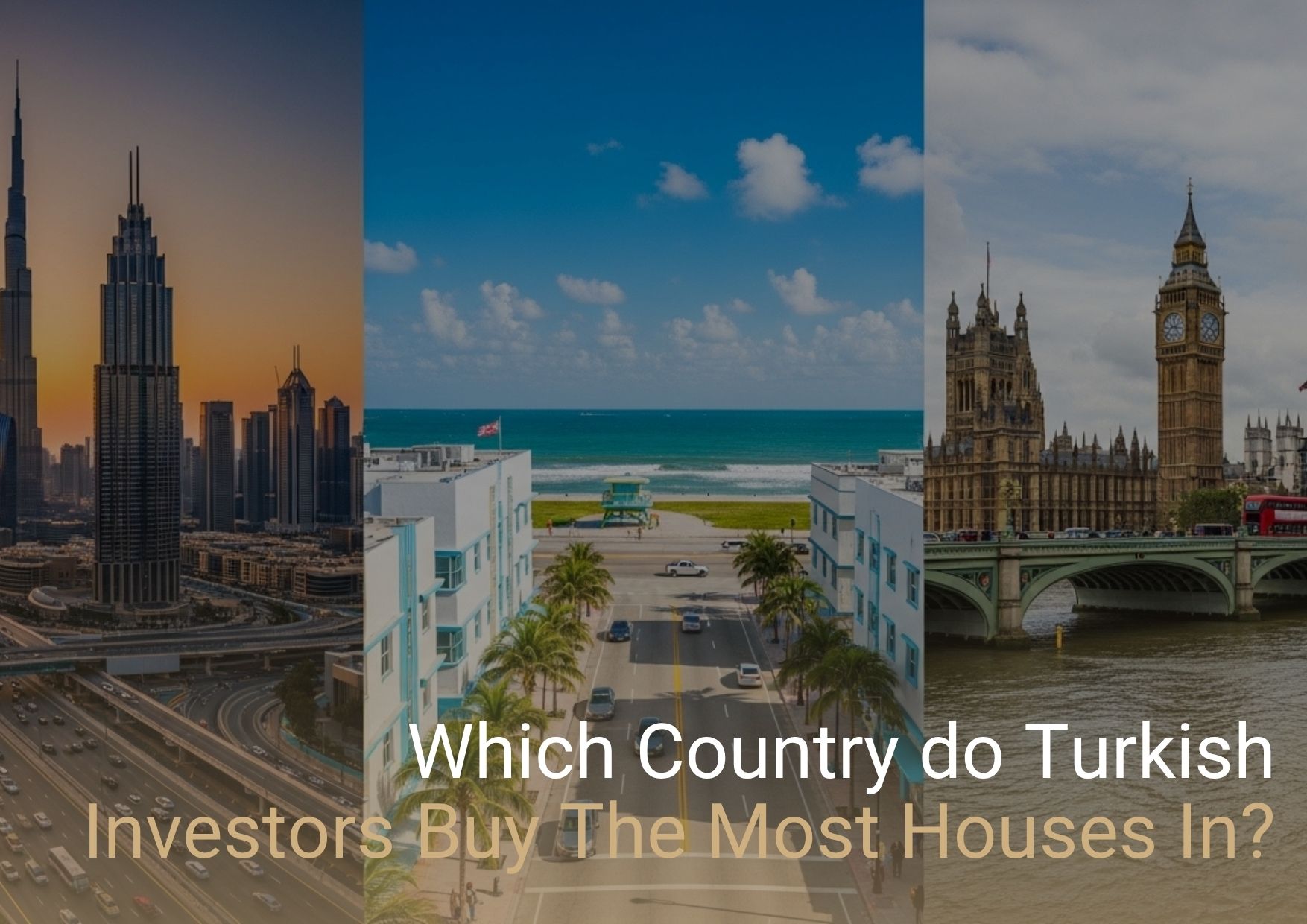 Which country do Turkish investors buy the most houses in?
 Things to Consider When Buying a House
Other Blogs

Bodrum Travel
Landmarks and Museums in Bodrum. Bodrum Castle/St. Peter's Castle (Bodrum Castle), built by the Knights Hospitaller in 1402. It is the most obvious symbol.
Oca 30 2026
Read More
Neighborhoods of Istanbul with the Highest Investment Value: In Which Regions Should You Invest in Real Estate?
Neighborhoods of Istanbul with the Highest Investment Value: In Which Regions Should You Invest in Real Estate?
Oca 30 2026
Read More
Summer House Prices on Izmir Beach
Izmir, one of Turkey's favorite holiday destinations, is a city that draws attention with its natural beauties and historical texture
Oca 30 2026
Read More
Russia Begins Consular Services in Northern Cyprus
Russia's visit to the consular services in Northern Cyprus brings a new era to the corridor relations in the region.
Oca 30 2026
Read More
Bridges of Istanbul: Miracles Connecting Continents
Istanbul, one of the most fascinating cities in the world, is known for its bridges connecting the Asian and European continents. The city's historical and modern bridges reflect Istanbul's rich culture and architectural wonders.
Oca 30 2026
Read More
Sariyer which part of Istanbul?
Located on the European side of Istanbul, Sarıyer is located in the northern part of the Bosphorus. Sarıyer, which forms the northwestern border of the city and is one of the most important settlements of the Bosphorus, is among the most popular districts of Istanbul, known for its historical structures and natural beauties.
Oca 30 2026
Read More
Kemer Country Golf Club
Located in the natural landscape of Istanbul, Kemer Country Golf Club stands out as a destination for golf enthusiasts as well as those who want to experience entertainment and luxury together.
Oca 30 2026
Read More
Kemer Country
Kemer Country is one of the most prestigious and sought-after residential areas in Istanbul. Located in Göktürk, Kemerburgaz region, this special community offers a unique living space by blending the beauty of nature with the comfort of modern life.
Oca 30 2026
Read More
Dubai House Prices | Comprehensive Guide 2026
Average housing prices in Dubai are approximately $600,000 by 2026. The city's real estate market has shown significant growth and development in recent years.
Oca 30 2026
Read More
Living in America: Advantages and Disadvantages
Owning a home in the United States is a dream for many, and this process has its unique advantages and disadvantages.
Oca 30 2026
Read More
Greece Golden Visa | What is? How to get it?
Greece Golden Visa is a program that Greece offers residence permits to foreign investors in exchange for investing in real estate.
Oca 30 2026
Read More
Dubai's New Wonder in the Sky: Al Maktoum International Airport Expansion
Dubai has emerged as a leader in the global aviation industry in recent years.
Oca 30 2026
Read More
Living in Bodrum: A Guide for New Homeowners
Bodrum, one of Turkey’s most popular holiday destinations, is not just a summer retreat but also an ideal place to elevate your quality of life.
Oca 30 2026
Read More
Transportation in Istanbul and its Effects on Real Estate Value
Istanbul has witnessed significant changes in the real estate market in recent years with the mega projects and expansions in the transportation network.
Oca 30 2026
Read More
How to Choose an Earthquake-Resistant House?
Living in a country like Türkiye, which lies on active fault lines, means that the risk of earthquakes is an inevitable part of life.
Oca 30 2026
Read More
Luxury Property Valuation - What is Real Estate Appraisal?
Curious about real estate appraisal? Learn how Istanbul luxury property valuation works and get your home’s true value with Property Turkey Istanbul.
Oca 30 2026
Read More
Areas with High Rental Income in Istanbul
Istanbul has always been an attractive market for real estate investors. Rapidly rising housing prices and rents in recent years have led to significant changes in investment return periods.
Oca 30 2026
Read More
Real Estate Appraisal in Bodrum
Bodrum has become one of the most valuable regions in Türkiye's luxury real estate market in recent years.
Oca 30 2026
Read More
How to Choose the Right Location in Real Estate?
Although the real estate sector may appear to be a static asset class by nature, the economic, social, and technological dynamics surrounding it are in constant flux.
Oca 30 2026
Read More
Which country do Turkish investors buy the most houses in?
In recent years, Turkish investors have turned to overseas real estate markets to protect their savings against inflation and generate sustainable passive income in foreign currency.
Oca 30 2026
Read More
